1. Home
  2. Blog
  3. Mozambique · Story

“Like Bangladesh in the 90s”Seven years in a Mozambique village

I came to Mozambique in 2018 for a job. Seven years later, I know the wells, the markets, the plastic money and the house I kept going back to. This is what it's really like.

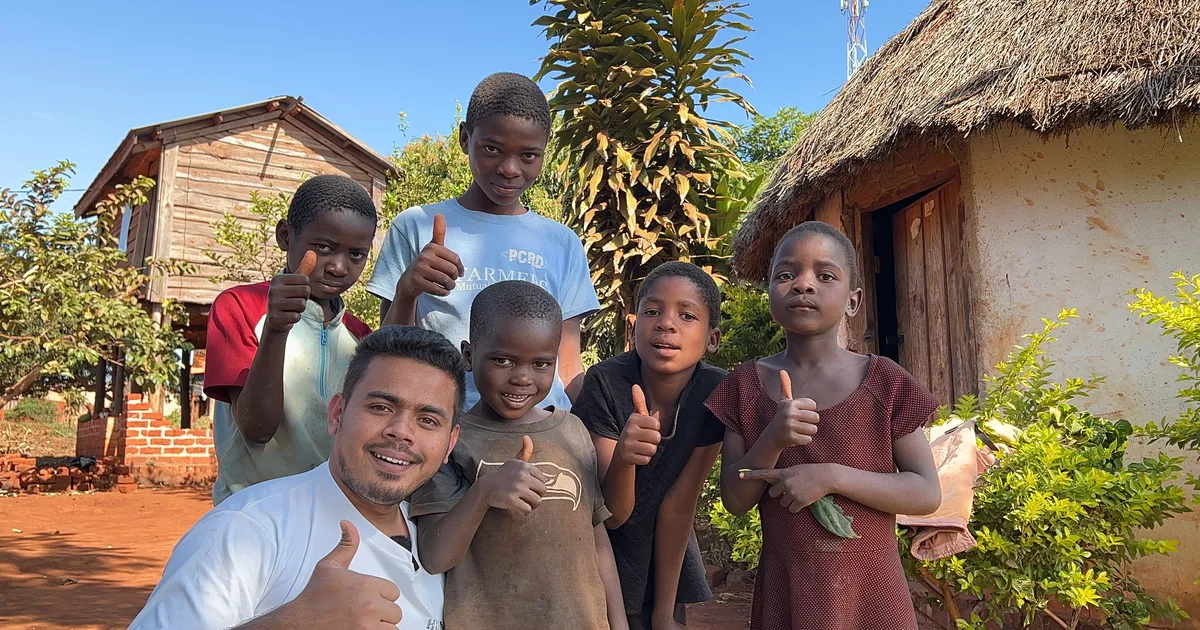
Saif Afrisian giving a thumbs up with village children in front of thatched and wooden houses in Manica Province, Mozambique
Manica Province, Mozambique, August 2023. Thumbs up from the village children.

When I was new in Mozambique, there was one house in the village I went to all the time.

The man who lived there worked as a night guard at a Bangladeshi's shop. A very simple, very calm man.

In 2022, I went back to that house with my camera.

The short answer

Simple, hard-working and built by hand.

Village life in Mozambique, as I have lived it around Sussundenga since 2018, is simple and built by hand. People burn their own bricks, grow maize and sweet potatoes, draw water from wells and shop at open-air markets. It reminded me of Bangladesh in the 1990s.

Where I live
Around Sussundenga, Manica Province, central Mozambique
Arrived
August 2018
Currency
Metical (MT): coins, then plastic and paper notes
The building rule
Stay 30 metres back from the main road
My first job
A warehouse buying maize and sesame from farmers

01 — October 2022The house I kept going back to when I was new

“Good afternoon! You know our local language too?”

“Me? A little!”

I hadn't been to that house in a long time. I used to come all the time. I'd walk all around, and go down that side too. Back then, this house wasn't even built.

One of his huts has a thick grass roof, shaped like a triangle. I asked if it needs plastic underneath.

No, he said. However hard it rains, no water gets in. There's enough straw, and the shape keeps it out. A tin roof is different. That needs plastic underneath, in case of holes.

He knows Bangladeshis well. “You mostly eat rice, don't you?” he asked. Yes, I said. Rice, above all.

Some of the little children were scared of me. “They're suddenly seeing a foreigner,” the old man said. “If they see you a few more times, they'll get used to you.”

Others shouted “Mu'shina!” It means “China is coming!” Here, children call foreigners China.

When I left, he gave me a bag. “Not boiled. Raw. Take it home and eat it.” And: “Come back again!”

02 — January 2023Why I called it Bangladesh in the 90s

Red dirt roads. A post office. A man building his house with bricks he burned himself.

When I put this walk online in January 2023, I called it “Bangladesh in the nineties”. If you grew up in a Bangladeshi village back then, you'll see why.

We came in on the road to a village called Muninga. There's a proper system here: a place for cars to stop, and a road for cars to leave. On one side, the hospital. On the other, the market. Ahead, the post office.

And a rule. By government order, you build at least 30 metres back from the main road. Any building, private or government.
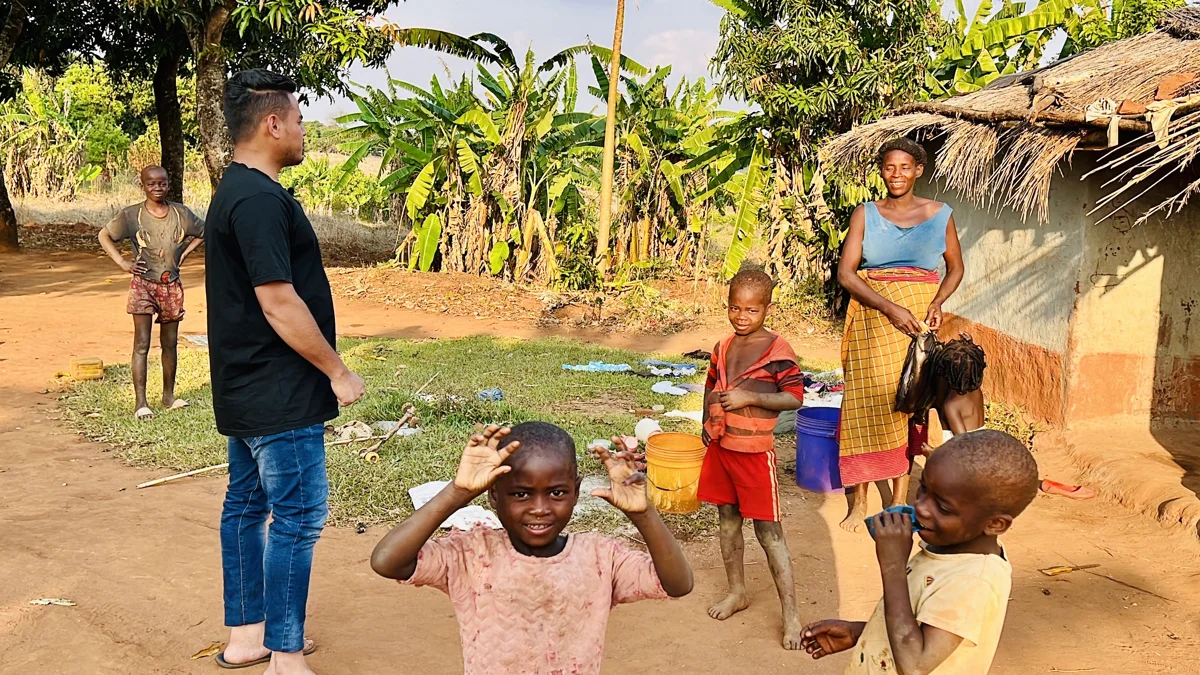
Saif Afrisian standing in a village yard with children and a woman beside a grass-roofed house in Manica Province, Mozambique
A village yard in Manica Province, October 2022.

Then we walked into the homes.

One man was building a new house. The bricks were made right there and burned at home. He showed me round: a kitchen, a dining room, a living room, and a room for the children.

Every yard had maize. Every yard had sweet potatoes. People here eat the leaves too.

This is an organic life. Nothing artificial. Their whole life comes from nature. And they work very, very hard.

03 — March 2023Plastic notes, like our old ten-taka note

The first question every Bangladeshi asks me: is their money bigger than ours?

Mozambique's money is the metical. One, two, five and ten are coins. Then come the notes: 20, 50 and 100 are plastic, like our old plastic ten-taka note. 200, 500 and 1,000 are paper. The 1,000 is the biggest.

The notes carry the face of Samora Machel, Mozambique's first president.

Rates change every day, so check a current rate before you change money.

04 — 2018, and 2025My first job: a warehouse full of maize

Seven years ago, my working life in Africa began inside a big tin shed.

When I first came to Mozambique, this warehouse was my first workplace.

Maize and sesame came in by the truckload and were unloaded here. It can hold about 20 trucks' worth, at around 30 tons a truck.

From here, the goods were sold on to bigger clients. They most likely exported them.

The warehouse was built about ten years ago. Since my time, it has been renovated and set out differently. It's still the same huge shed.

05 — October 2025The jungle became a market

In October 2025, I filmed my village again. One corner had changed completely.

It used to be bush. Now it's a market, moved in from the roadside. Clothes hang from poles under grass roofs. A tailor works at a sewing machine in the open air. Jeans are laid out in rows on the red earth.

Customers? Fine, one trader told me. But the market is new, and people are still getting to know it. In four months, or from next year, it will grow.
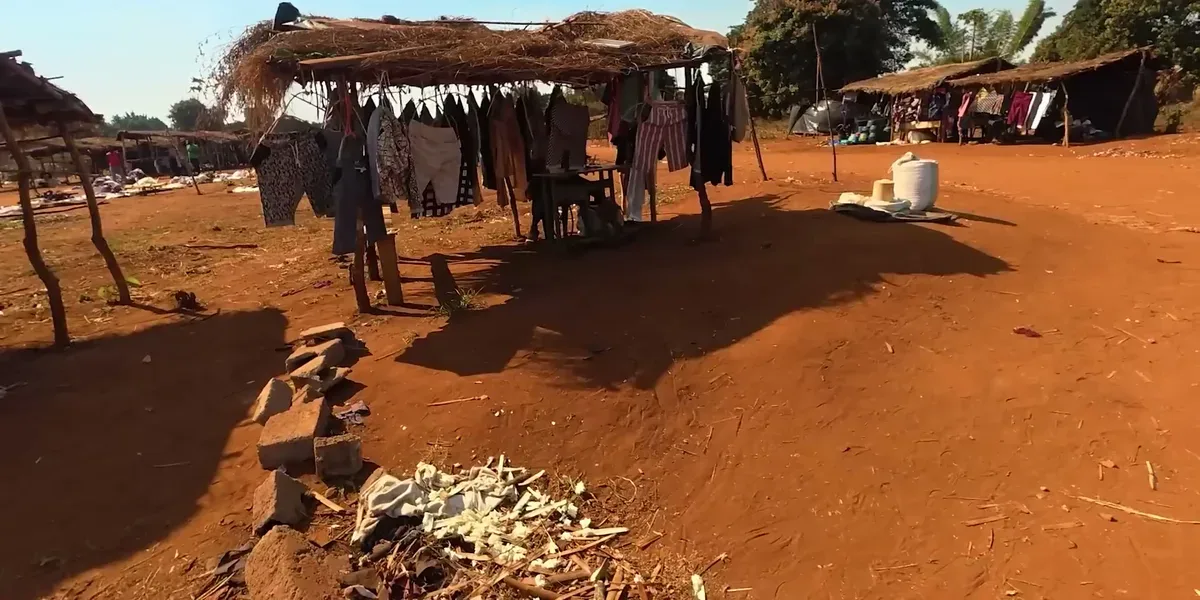
Clothes hanging for sale under a grass roof at a new open-air market on red earth in a Mozambique village, with more stalls behind
The new market in my village, 2025. Grass roofs, red soil, clothes on poles.

Near the market is a well. Women lower a bucket on a rope and fill yellow jerrycans, one bucket at a time. Look how hard they work.

And the people? They are a story of their own. My jungle grandfather, my African mother, my dadi. That's the next chapter.

WatchWalk through the village with me

Watch “আফ্রিকার গ্রামীণ জীবনযাপন | এ যেনো নব্বই দশকের বাংলাদেশ” on YouTube

FAQQuestions people ask about village life in Mozambique

What is village life like in Mozambique?

In the villages around Sussundenga where I have lived since 2018, people build with bricks they burn themselves, grow maize and sweet potatoes, draw water from wells and shop at open-air markets. To me it feels like Bangladesh in the 1990s.

What money do they use in Mozambique?

The metical (MT). The small amounts are coins, the 20, 50 and 100 notes are plastic, and the 200, 500 and 1,000 notes are paper. Rates change every day, so check a current rate before you change money.

Where do you live in Mozambique?

In the area around Sussundenga, in Manica Province in central Mozambique. I arrived in August 2018 and have lived in the village for about seven years.

Why do children in Mozambique call foreigners “China”?

In my village, children shout “Mu'shina”, meaning “China is coming”, when they see a foreigner. To them, any outsider is “China”.

What crops do villagers grow in Mozambique?

Around my village, almost every yard grows maize and sweet potatoes, and people eat the sweet potato leaves as a vegetable. Maize and sesame are also bought up from farmers in bulk and sold on for export.

The journeyWhere this story sits

  1. হোম
  2. ব্লগ
  3. মোজাম্বিক · গল্প

“এ যেন নব্বইয়ের দশকের বাংলাদেশ”মোজাম্বিকের এক গ্রামে আমার সাত বছর

২০১৮ সালে চাকরি নিয়ে মোজাম্বিক গিয়েছিলাম। সাত বছর পর সেই গ্রামের কুয়া, বাজার, প্লাস্টিকের টাকা, এমনকি নতুন অবস্থায় যে বাড়িতে বারবার যেতাম, সবই আমার চেনা। এটা সেই গ্রামের আসল জীবনের গল্প।

মোজাম্বিকের মানিকা প্রদেশে খড় আর কাঠের ঘরের সামনে গ্রামের বাচ্চাদের সাথে বুড়ো আঙুল তুলে সাইফ আফ্রিসিয়ান
মানিকা প্রদেশ, মোজাম্বিক, আগস্ট ২০২৩। গ্রামের বাচ্চাদের সাথে।

মোজাম্বিকে নতুন নতুন যখন এলাম, গ্রামের একটা বাড়িতে প্রায়ই চলে যেতাম। সেই বাড়ির মানুষটা এক বাংলাদেশির দোকানে নাইট গার্ডের কাজ করতেন। খুবই সহজ-সরল, শান্ত একজন মানুষ।

২০২২ সালে ক্যামেরা নিয়ে আবার সেই বাড়িতে গেলাম।

ছোট্ট উত্তর

সহজ, পরিশ্রমী, আর নিজের হাতে গড়া জীবন।

২০১৮ সাল থেকে সুসুনডেঙ্গার আশপাশে যেভাবে দেখেছি, মোজাম্বিকের গ্রামের জীবন সহজ আর নিজের হাতে গড়া। মানুষ নিজেরাই ইট পুড়িয়ে বাড়ি বানায়, ভুট্টা আর মিষ্টি আলু চাষ করে, কুয়া থেকে পানি তোলে, খোলা বাজারে কেনাকাটা করে। দেখে মনে পড়ে নব্বইয়ের দশকের বাংলাদেশের কথা।

যেখানে থাকি
সুসুনডেঙ্গার আশপাশে, মানিকা প্রদেশ, মধ্য মোজাম্বিক
পৌঁছানো
আগস্ট ২০১৮
মুদ্রা
মেটিকাশ (MT): কয়েন, তারপর প্লাস্টিক আর কাগজের নোট
বাড়ি বানানোর নিয়ম
মেইন রোড থেকে অন্তত ৩০ মিটার দূরে
প্রথম চাকরি
কৃষকের কাছ থেকে ভুট্টা আর তিল কেনার গুদাম

০১ — অক্টোবর ২০২২নতুন অবস্থায় যে বাড়িতে বারবার যেতাম

বাড়িতে ঢুকতেই শুভ দুপুর বলে স্বাগত জানালেন, তারপর অবাক হয়ে জিজ্ঞেস করলেন, “আপনি আমাদের আঞ্চলিক ভাষাও জানেন?”

বললাম, আমি? একটু-একটু পারি! অনেকদিন হলো এদিকে আসা হয় না। অথচ একসময় এখানে প্রায়ই আসতাম, চারপাশে ঘুরতাম, ওদিকে নিচেও নেমে যেতাম। তখন তো এই ঘরটাও ছিল না।

ওনার একটা কুঁড়েঘরের চাল খড়ের, তিনকোনা আকারে মোটা করে বাঁধা। জিজ্ঞেস করলাম, এর নিচে প্লাস্টিক দিতে হয় না? উনি বললেন, না, যত জোরেই বৃষ্টি হোক, ভেতরে পানি ঢুকবে না। যথেষ্ট খড় দিয়ে টাইট করে বাঁধা, আর তিনকোনা আকারটাই পানি আটকায়। তবে টিনের চাল হলে আলাদা কথা, ফুটো থাকলে পানি যেন না পড়ে, সেজন্য নিচে প্লাস্টিক দিতে হয়।

বাংলাদেশিদের উনি ভালোই চেনেন। নিজেই জিজ্ঞেস করলেন, “আপনারা তো বেশিরভাগ ভাত খান, তাই না?” বললাম, হ্যাঁ, ভাতই সবার আগে।

এর মধ্যে কয়েকটা ছোট বাচ্চা আমাকে দেখে ভয় পেয়ে গেল। উনি হেসে বললেন, “হঠাৎ বিদেশি দেখছে তো, তাই ভয় পাচ্ছে। কয়েকবার দেখলে আপনার সাথে ভালোই মিশে যাবে।” আর বাকিরা চিৎকার করছিল “মু’শীনা!” মানে “চীন আসছে!” এখানে বাচ্চারা বিদেশি দেখলেই চীন বলে ডাকে।

ফেরার সময় উনি হাতে একটা ব্যাগ ধরিয়ে দিলেন। বললেন, “সেদ্ধ না, কাঁচা। বাসায় গিয়ে খাবেন।” তারপর আরও বললেন, “আবার আসবেন কিন্তু!”

০২ — জানুয়ারি ২০২৩কেন বলেছিলাম, এ যেন নব্বইয়ের দশকের বাংলাদেশ

লাল মাটির রাস্তা, একটা পোস্ট অফিস, আর নিজের হাতে ইট পুড়িয়ে বাড়ি বানাচ্ছেন একজন মানুষ।

২০২৩ সালের জানুয়ারিতে এই গ্রাম ঘুরে যে ভিডিওটা দিয়েছিলাম, তার নাম রেখেছিলাম “এ যেন নব্বই দশকের বাংলাদেশ”। আপনি যদি সেই সময়ের বাংলাদেশের কোনো গ্রামে বড় হয়ে থাকেন, তাহলে কারণটা নিজেই বুঝবেন।

মুনিঙ্গা নামের একটা গ্রামে ঢুকছিলাম। এখানে সুন্দর একটা সিস্টেম আছে, গাড়ি থামার জন্য এক জায়গা, আর গাড়ি বেরিয়ে যাওয়ার জন্য আরেক রাস্তা। একপাশে হাসপাতাল, অন্যপাশে বাজার, সামনে পোস্ট অফিস। সাথে সরকারের একটা নিয়মও আছে: যে কোনো স্থাপনা, সরকারি হোক বা ব্যক্তিগত, মেইন রোড থেকে অন্তত ৩০ মিটার দূরে বানাতে হবে।

মোজাম্বিকের মানিকা প্রদেশে খড়ের চালের ঘরের পাশে গ্রামের উঠোনে বাচ্চা আর এক নারীর সাথে দাঁড়িয়ে সাইফ আফ্রিসিয়ান
মানিকা প্রদেশের এক গ্রামের উঠোন, অক্টোবর ২০২২।

এরপর ঢুকলাম মানুষের বাড়িতে। একজন নতুন বাড়ি বানাচ্ছিলেন, আর ইটগুলো এখানেই বানিয়ে বাড়িতেই পোড়ানো। ঘুরিয়ে দেখালেন কোনটা রান্নাঘর, কোনটা ডাইনিং রুম, কোনটা লিভিং রুম, আর কোনটা বাচ্চাদের ঘর।

প্রায় প্রতিটা বাড়ির উঠোনে ভুট্টা আর মিষ্টি আলু, আর আলুর লতা তো এরা তরকারি করেও খায়। এদের জীবনটা পুরোপুরি অর্গানিক, কৃত্রিম বলতে কিছু নেই, সবটাই প্রকৃতি থেকে আসা। আর এরা মানুষ হিসেবে ভীষণ পরিশ্রমী।

০৩ — মার্চ ২০২৩প্লাস্টিকের নোট, ঠিক আমাদের পুরোনো দশ টাকার মতো

আমার কাছে সবচেয়ে বেশি আসা প্রশ্নগুলোর একটা: ওদের টাকা কি আমাদের টাকার চেয়ে বড়, না ছোট?

মোজাম্বিকের টাকার নাম মেটিকাশ। এক, দুই, পাঁচ আর দশ মেটিকাশ হলো কয়েন। এরপর নোট: ২০, ৫০ আর ১০০ প্লাস্টিকের, আমাদের দেশে যেমন একসময় দশ টাকার প্লাস্টিকের নোট ছিল। আর ২০০, ৫০০, ১০০০ কাগজের। এক হাজারই এখানের সবচেয়ে বড় নোট।

নোটগুলোতে আছে সামোরা মাশেলের ছবি, মোজাম্বিকের প্রথম প্রেসিডেন্ট।

রেট প্রতিদিন বদলায়, তাই টাকা ভাঙানোর আগে সেদিনের রেট দেখে নেবেন।

০৪ — ২০১৮, আর ২০২৫আমার প্রথম চাকরি: ভুট্টায় ভরা এক গুদাম

সাত বছর আগে আফ্রিকায় আমার কর্মজীবন শুরু হয়েছিল টিনের চালার একটা বিশাল গুদামে।

প্রথম যখন মোজাম্বিক এসেছিলাম, এই গুদামটাই ছিল আমার প্রথম কর্মস্থল। ট্রাকে ট্রাকে ভুট্টা আর তিল আসত, এখানে আনলোড হতো। প্রায় ৩০ টনের ট্রাক হিসাব করলে, বিশ ট্রাকের মতো মাল এখানে রাখা যায়।

এখান থেকে মালগুলো বিক্রি হতো বড় ক্লায়েন্টদের কাছে, আর তারা হয়তো সেগুলো বিদেশে রপ্তানি করত।

গুদামটা বানানো হয়েছিল প্রায় দশ বছর আগে। আমি চলে আসার পর এটাকে রেনোভেট করা হয়েছে, অনেক কিছু নতুন করে সাজানো হয়েছে। তবু সেই একই বিশাল গুদাম।

০৫ — অক্টোবর ২০২৫জঙ্গল যেখানে বাজার হয়ে গেছে

২০২৫ সালের অক্টোবরে আবার আমার গ্রামের ভিডিও করলাম, আর দেখি এক কোণার চেহারাই পুরো বদলে গেছে।

যেখানে একসময় জঙ্গল ছিল, সেখানে এখন বাজার। আগে বাজারটা ছিল রাস্তার ধারে, এখন সরে এসেছে এখানে। খড়ের ছাউনির নিচে খুঁটিতে কাপড় ঝুলছে, খোলা জায়গায় একজন দর্জি সেলাই মেশিনে কাজ করছেন, লাল মাটির ওপর সারি করে জিন্সের প্যান্ট বিছানো।

বিক্রেতাদের একজনকে জিজ্ঞেস করলাম, কাস্টমার কেমন? বললেন, ঠিক আছে। তবে বাজারটা নতুন, মানুষ এখনো চিনে উঠছে। চার মাস পর, কিংবা সামনের বছর থেকে বেচাকেনা বাড়বে।

মোজাম্বিকের এক গ্রামের নতুন খোলা বাজার, লাল মাটির ওপর খড়ের ছাউনির নিচে বিক্রির জন্য ঝোলানো কাপড়
আমার গ্রামের নতুন বাজার, ২০২৫। খড়ের ছাউনি, লাল মাটি, খুঁটিতে ঝোলানো কাপড়।

বাজারের কাছেই একটা কুয়া। মহিলারা দড়িতে বালতি বেঁধে নামিয়ে এক বালতি এক বালতি করে হলুদ জেরিক্যানে পানি ভরছেন। দেখেন, কত পরিশ্রম করে এরা।

আর এই গ্রামের মানুষ? তাদের গল্প আলাদা করেই বলতে হয়। আমার জঙ্গলি দাদা, আমার আফ্রিকার মা, আমার দাদি। সেটাই পরের অধ্যায়।

ভিডিওআমার সাথে গ্রামটা ঘুরে আসুন

ইউটিউবে দেখুন: “আফ্রিকার গ্রামীণ জীবনযাপন | এ যেনো নব্বই দশকের বাংলাদেশ”

প্রশ্নোত্তরমোজাম্বিকের গ্রামের জীবন নিয়ে সবাই যা জানতে চান

মোজাম্বিকের গ্রামের জীবন কেমন?

সুসুনডেঙ্গার আশপাশের যে গ্রামে আমি ২০১৮ সাল থেকে আছি, সেখানে মানুষ নিজেরাই ইট পুড়িয়ে বাড়ি বানায়, ভুট্টা আর মিষ্টি আলু চাষ করে, কুয়া থেকে পানি তোলে আর খোলা বাজারে কেনাকাটা করে। আমার কাছে এটা নব্বইয়ের দশকের বাংলাদেশের মতো।

মোজাম্বিকে কোন টাকা চলে?

মেটিকাশ (MT)। ছোট অঙ্কগুলো কয়েন, ২০, ৫০ আর ১০০-র নোট প্লাস্টিকের, আর ২০০, ৫০০, ১০০০-এর নোট কাগজের। রেট প্রতিদিন বদলায়, তাই টাকা ভাঙানোর আগে সেদিনের রেট দেখে নেবেন।

আপনি মোজাম্বিকের কোথায় থাকেন?

মধ্য মোজাম্বিকের মানিকা প্রদেশে, সুসুনডেঙ্গার আশপাশে। ২০১৮ সালের আগস্টে সেখানে পৌঁছাই, প্রায় সাত বছর ধরে সেই গ্রামেই আছি।

মোজাম্বিকের বাচ্চারা বিদেশিদের “চীন” বলে ডাকে কেন?

আমার গ্রামে বাচ্চারা বিদেশি দেখলেই “মু’শীনা” বলে চিৎকার করে, মানে “চীন আসছে”। ওদের কাছে বাইরের যে কেউই “চীন”।

মোজাম্বিকের গ্রামের মানুষ কী চাষ করে?

আমার গ্রামের আশপাশে প্রায় প্রতিটা উঠোনে ভুট্টা আর মিষ্টি আলু, আর আলুর লতা তরকারি করে খাওয়া হয়। ভুট্টা আর তিল কৃষকের কাছ থেকে বস্তায় বস্তায় কিনে রপ্তানির জন্য বিক্রিও হয়।

যাত্রাপথএই গল্পটা কোথায়

The next country starts hereপরের দেশ শুরু এখান থেকেই